A Commerce City guide · Large loss
Industrial and Commercial Building Cleanup in Commerce City
Cleanup and restoration for warehouses, shops, and industrial buildings after water, fire, smoke, or storm damage, scaled to large open spaces and planned around operations.
Large losses often run from mitigation into reconstruction; ask any provider how emergency response, documentation, and repairs will be handled.
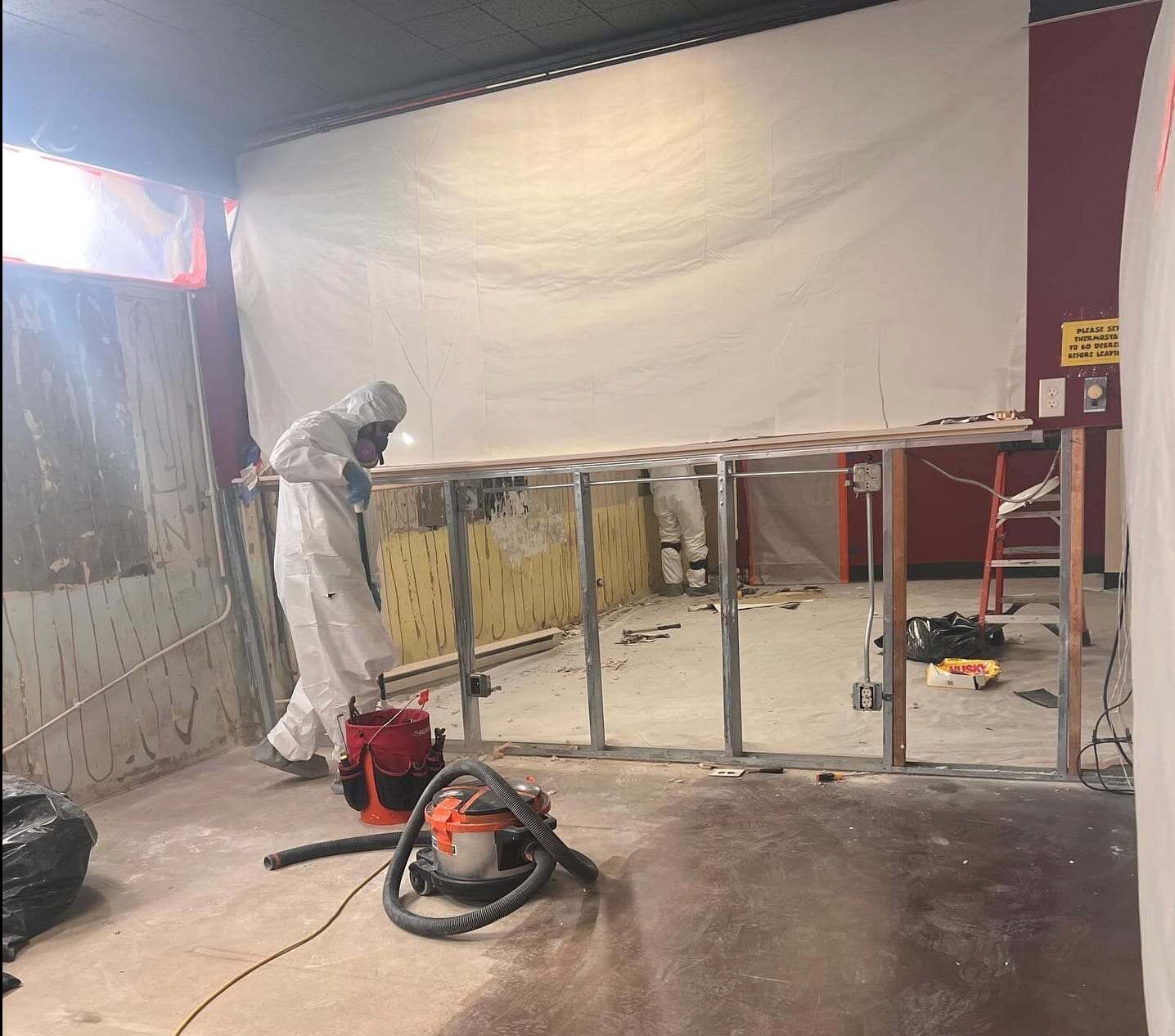
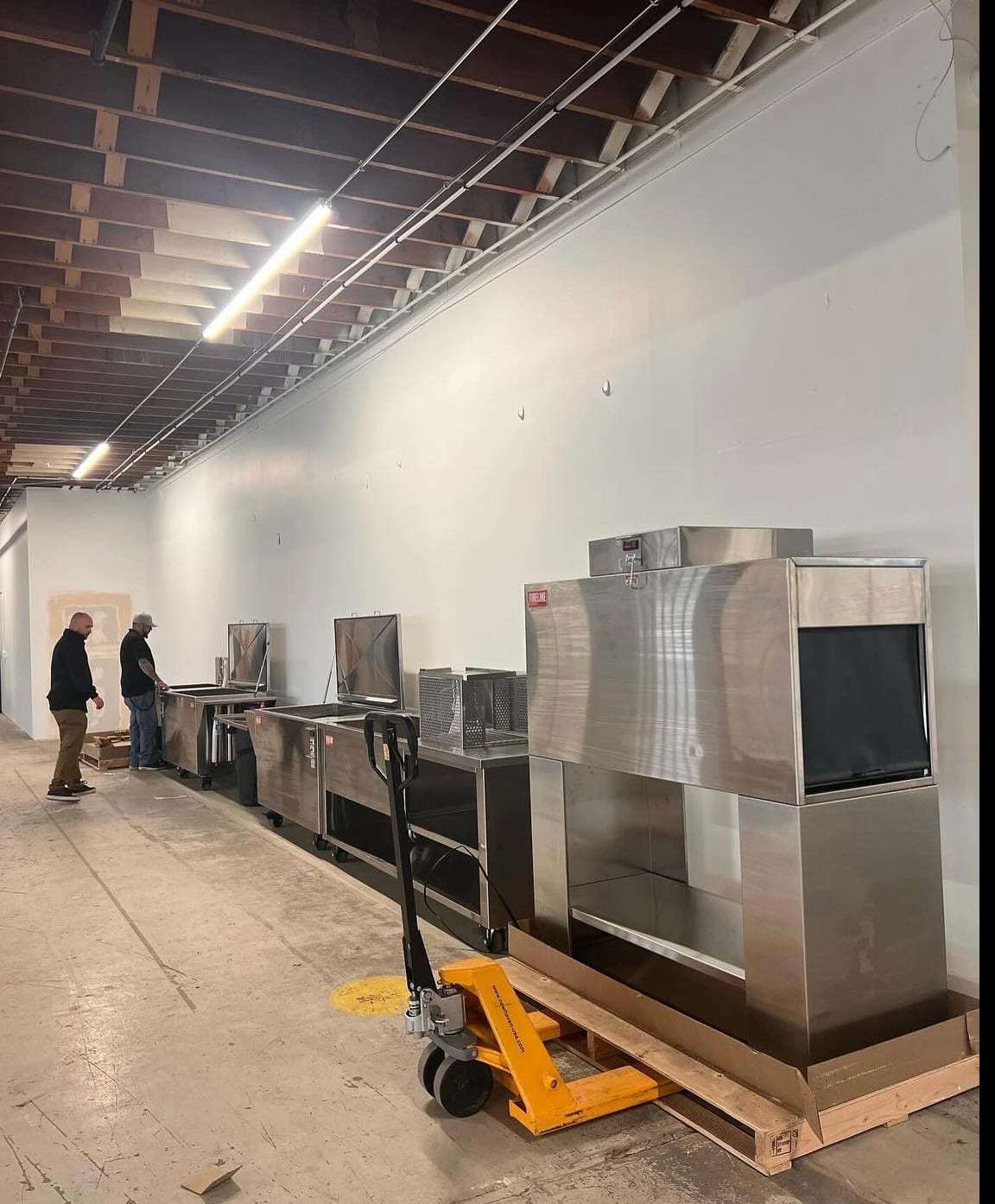
What industrial property cleanup covers, and what it doesn't
This service is for cleaning up and restoring industrial and commercial buildings after property damage: water from failed pipes, sprinklers, or roofs; fire and smoke; and storm damage. It includes extraction and drying in large spaces, debris removal, soot cleaning on structure and equipment surfaces, and reconstruction.
It's not environmental spill response or hazardous-materials remediation, which is regulated separately and must be handled by appropriately licensed environmental contractors. If your loss involves process chemicals or a reportable spill, notify the proper authorities and an environmental contractor first.
Situations Commerce City facilities face
- 01
Sprinkler line freeze in a dock area
A dry-pipe sprinkler system in a loading dock area freezes and breaks, flooding part of a warehouse floor.
- 02
Small fire, building-wide smoke
A fire in a maintenance area is put out quickly, but smoke coats the open warehouse and its office mezzanine.
- 03
Roof failure in a storm
High winds damage a section of roof over a manufacturing bay, letting rain onto the floor and equipment.
Go deeper on industrial losses
Guides, checklists and examples for facility managers planning cleanup around operations.
Guides18
- Cleaning up after a sprinkler discharge in an industrial building
- Why dock-area sprinkler lines freeze, and what to do when one breaks
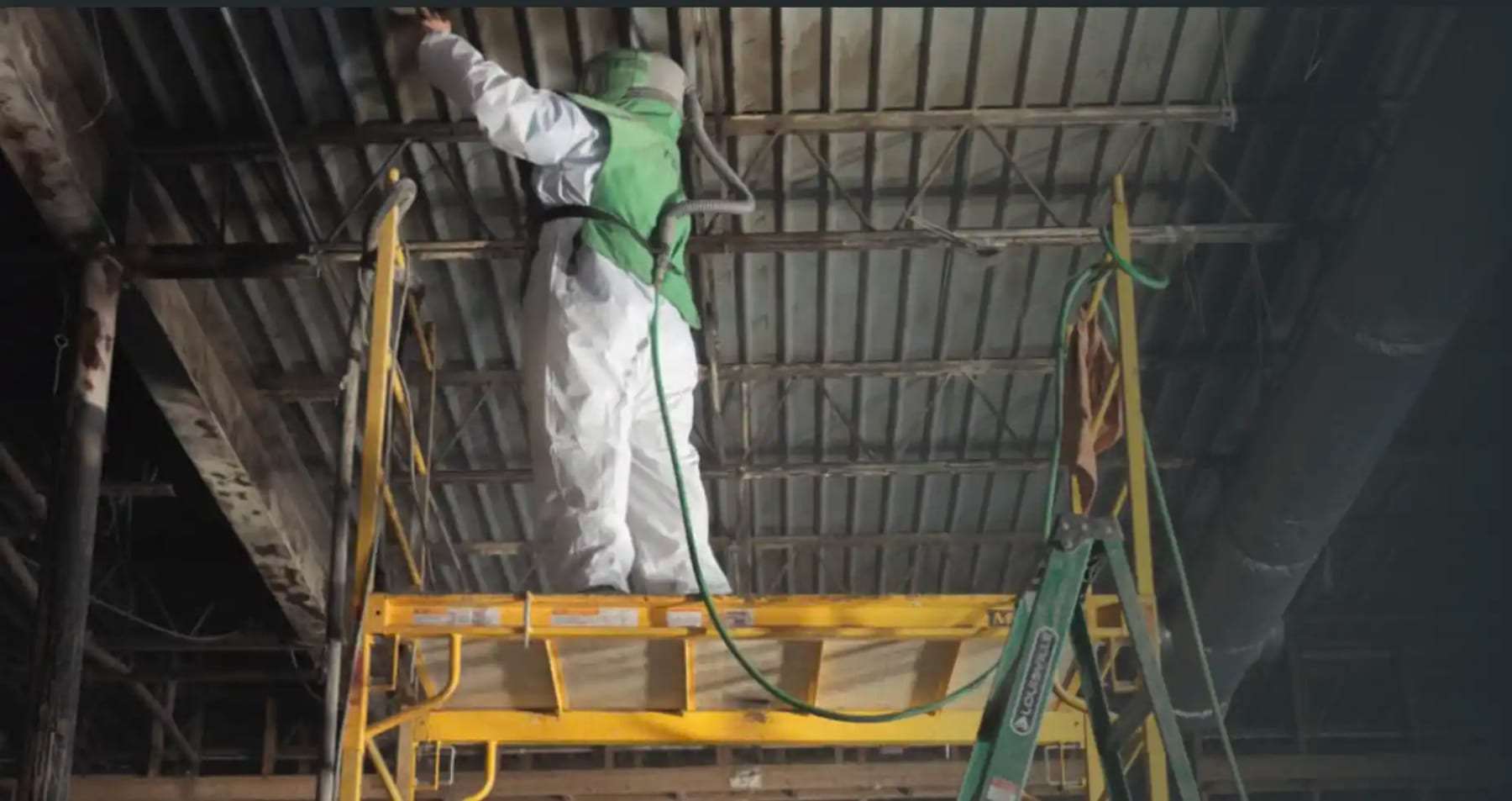
- Soot on steel joists, roof deck and overhead systems
Checklists9
- Pre-loss planning worksheet for industrial facilities
- First-hours checklist for an industrial property loss
- Questions to ask before hiring an industrial restoration provider
Commerce City's industrial corridor
Commerce City, in Adams County directly northeast of Denver, has long been one of the metro area's industrial centers, with rail yards, distribution facilities, manufacturing, and energy infrastructure along the I-270 and I-76 corridors and the South Platte River. Newer residential neighborhoods have grown to the north and east, near the Rocky Mountain Arsenal National Wildlife Refuge.
Many of the city's industrial buildings are large, open structures with high ceilings, concrete floors, and office areas built inside. Restoration has to account for that scale and for the operations happening inside.
- Note 1Commerce City is in Adams County; confirm that any provider you contact actually serves this part of the county.
- Note 2Environmental spills and hazardous-materials releases require separately licensed environmental contractors.
- Note 3Pre-loss planning helps large facilities respond faster; ask a restoration company whether it offers a pre-loss or priority response plan.
- Note 4Many restoration companies serving Commerce City are based elsewhere in the metro, so ask about travel time before you commit.
ZIP codes served: 80640 (Henderson), 80022 (Commerce City).
Also nearby: 80216, 80266, 80207, 80229, 80238, 80205, 80221, 80202, 80220, 80211, 80260, 80206, 80239, 80218, 80030, 80203, 80010, 80233.
Safe site access
An industrial building is not a house. Before work starts, the restoration crew and your facility team agree on four things:
Crew roster, sign-in point and badge or escort requirements agreed before arrival.
Your site's hazards (forklift lanes, overhead racking, energized equipment, chemical storage) walked through with the crew lead.
Your facility staff control lockout/tagout and shutoffs; the crew works only in areas you've released.
Crews wear protective equipment suited to the job; your site-specific requirements are confirmed in advance.
Planning around operations
The fastest restoration isn't always the one that costs you least. Planning the work around how the facility runs usually keeps more of it running.
- Zones
- Split the floor into work zones so shipping, receiving or production continues elsewhere.
- Inventory
- Agree what gets moved, by whom, and where it's staged. Damaged goods are photographed before removal for the claim.
- Docks and traffic
- Schedule equipment deliveries and debris removal around dock appointments.
- Hours
- Night or weekend shifts where the facility can support them.
Large-space cleanup process
Industrial buildings need equipment and planning scaled to their size and operations.
1 Site assessment
Identify the affected area, building systems involved, and any hazards that need other specialists.
2 Operations plan
Sequence the work to keep unaffected areas running wherever possible.
3 Extraction, cleaning, drying
Remove water or debris, clean soot from structure, and dry with large-capacity equipment.
4 Documentation
Photos, moisture records, and itemized estimates are usually prepared for your insurer.
5 Repairs
Repairs to building structure, office areas, and finishes follow once the space is clean and dry.
For facility managers
- Ensure people are safe and building systems are secured.
- If any hazardous materials are involved, follow your spill-response plan and notify authorities.
- Protect or relocate inventory and equipment where safe.
- Notify your insurer, then choose a commercial restoration company you have checked for cleanup and restoration of the building.
Common industrial losses
- Fire sprinkler discharge across warehouse floors and racking.
- Roof leaks over large open bays during storms.
- Smoke and soot from a fire in one area spreading through an open building.
- Frozen and burst pipes in unheated loading areas.
- Water damage to office build-outs inside industrial buildings.
- Chemical spills and hazardous material releases
- Process equipment repair or recertification
- Environmental remediation of soil or groundwater
Facility questions
- Is a chemical spill cleaned up the same way?
- No. Hazardous-materials spills and environmental remediation require specially licensed environmental contractors and may need to be reported to regulators. The cleanup described here covers property damage such as water, fire, and storm losses.
- Can a large warehouse be dried?
- Yes. Large spaces are dried with high-capacity dehumidification and air movement, often with temporary power, and progress is monitored daily.
- Can operations continue during cleanup?
- Often in part. Work is sequenced so unaffected areas can keep operating, with containment where needed to separate work zones.
- What documentation should I get for insurance?
- Ask for photos, moisture readings, equipment logs, and an itemized estimate (many carriers use Xactimate).
- Can soot be cleaned from equipment?
- Soot can often be cleaned from equipment exteriors and building surfaces. Sensitive electronics and machinery should be evaluated by their manufacturers or qualified technicians.
- Is the building repaired as part of the cleanup?
- Sometimes. Some restoration companies also handle reconstruction and structural repairs after mitigation; others refer it to a general contractor. Ask which applies before work starts.
- Are chemical spills or hazardous material releases part of this kind of cleanup?
- No. This site covers cleanup after property damage events such as water, fire, smoke and storm damage. A chemical spill or hazardous material release needs a licensed hazmat response contractor and, depending on the material, notification to authorities.
Questions to ask about scope, billing and insurer communication
Request a site walk
This form is not connected. This website is a draft preview: no business has been confirmed to receive requests, so the fields below are switched off and nothing can be sent. In an emergency, call 911.
Property damage at a Commerce City facility?
Get people clear, follow your spill plan if hazardous materials are involved, photograph the damage, and notify your insurer before choosing a provider you have checked. Call 911 for fire or immediate danger.